The spotlight doesn’t just illuminate talent—it exposes every pore, every perceived flaw, every deviation from an impossible ideal. For A-list celebrities, the price of fame often includes relentless trolling over their appearance. Far from harmless jokes, this abuse crosses into psychological warfare, with actors waking up to thousands of comments dissecting their weight, skin, or features like specimens under a microscope.
What happens when the world’s most glamorous people become targets of mass cyberbullying? The answer isn’t tabloid fodder—it’s a public mental health crisis masked as entertainment.
The Ugly Side of Fame: When Trolling Becomes Trauma
Celebrities aren’t immune to cruelty. In fact, their visibility makes them prime targets. Unlike everyday harassment, celebrity trolling is amplified by algorithms, meme culture, and fan armies that weaponize insecurity.
Take Chris Hemsworth. Beloved as Thor, he’s faced waves of mockery for "looking too old" for the role, despite playing a god who should age like wine. Or Scarlett Johansson, trolled for her nose, her laugh, her body—features celebrated in one era, ridiculed in the next. These aren’t isolated cases.
Why is appearance-based trolling so pervasive in Hollywood? - The industry runs on image. Beauty is currency. - Social media democratizes criticism, often without accountability. - Trolls treat celebrities as characters, not humans.
Actress Jameela Jamil has been vocal, calling out online abusers who told her to "kill herself" for not fitting the "perfect" actress mold. “They don’t see me as a person,” she said. “They see a body they feel entitled to judge.”
How Trolling Affects Mental Health—Even for the Rich and Famous
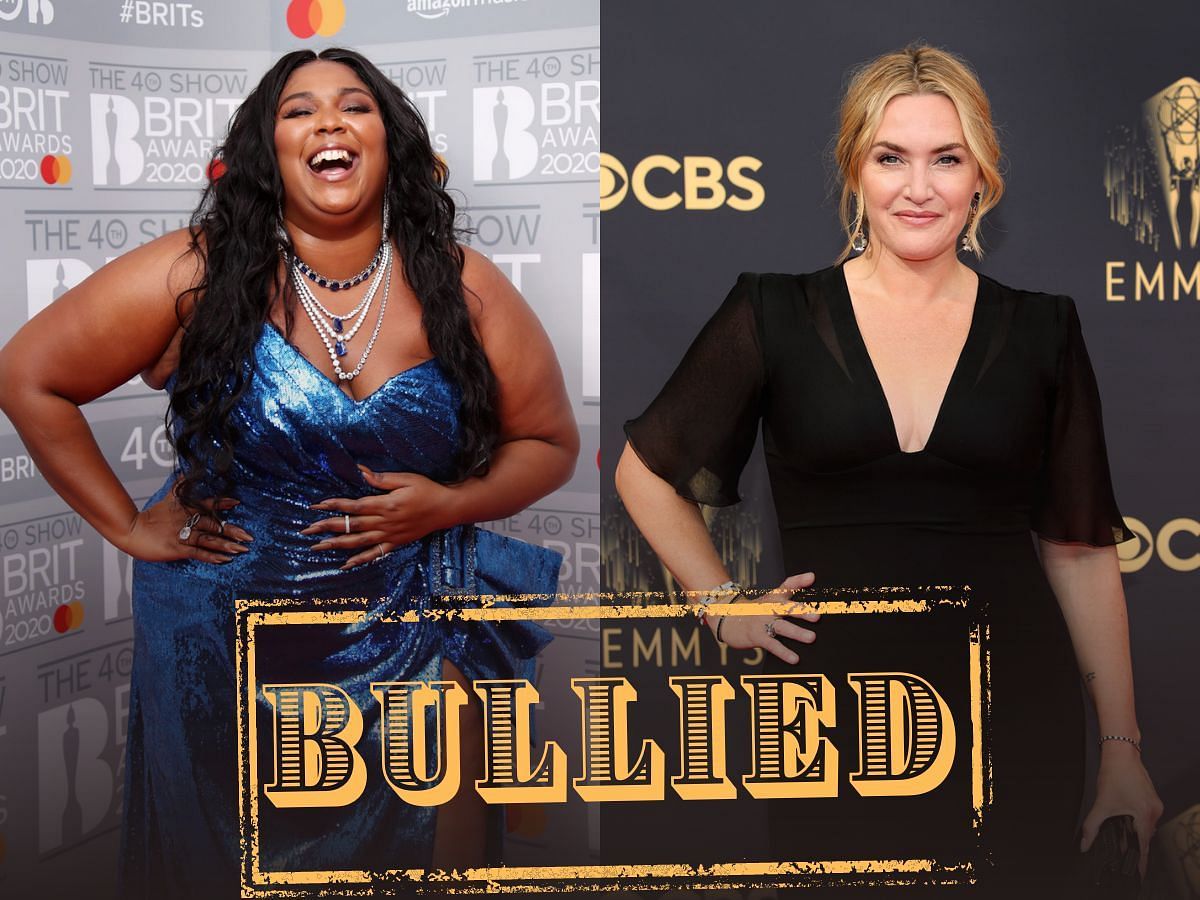
Money doesn’t insulate against emotional damage. Stars like Selena Gomez, Lizzo, and Daniel Kaluuya have spoken openly about anxiety, depression, and panic attacks triggered by online hate.
Real consequences include: - Avoidance of public appearances - Disordered eating or body dysmorphia - Withdrawal from social media (or complete digital detoxes) - Professional hesitation—turning down roles due to fear of scrutiny
Gomez removed Instagram access from her phone for years, citing depression fueled by comparison and trolling. Lizzo, despite her body-positive advocacy, still cries after reading comments calling her “disgusting” or “a joke.”
The irony? Many of these stars are celebrated for breaking barriers—Lizzo for normalizing diverse bodies, Kaluuya for representing Black excellence—yet face disproportionate hate for simply existing outside narrow norms.
The Role of Beauty Standards in Hollywood’s Trolling Epidemic
Hollywood’s obsession with perfection predates the internet. But now, that pressure is magnified by filters, Facetune, and AI-generated "ideal" faces that distort reality.
Fans expect celebrities to look flawless 24/7. A single unfiltered paparazzi shot can spark a viral backlash.
Consider Chrissy Teigen. Once praised for her looks, she faced a tidal wave of trolling during a weight fluctuation period. Memes, body-shaming captions, even fake weight-loss ads using her image flooded the web. “It’s not fun anymore,” she said in an interview. “I just want to be allowed to be human.”
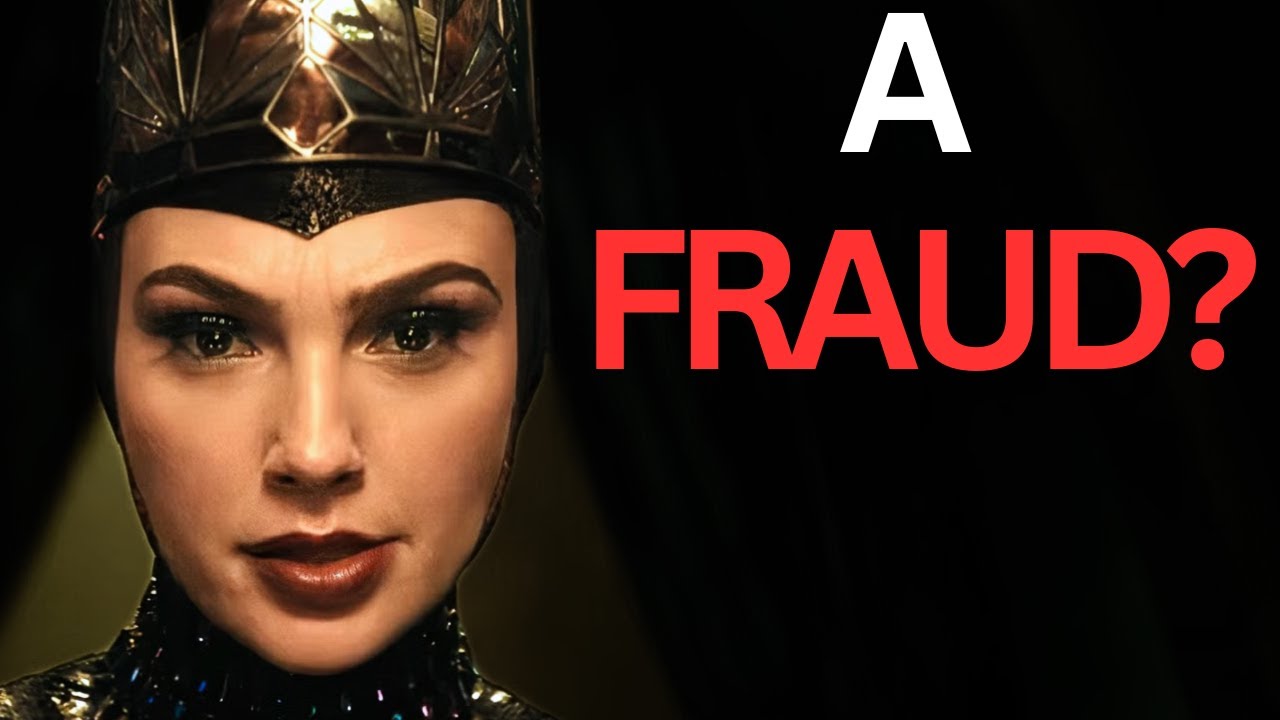
The unspoken rule: You can be famous, but only if you stay within acceptable physical boundaries.
And those boundaries? They’re set by a toxic mix of studio executives, algorithm-driven trends, and a fanbase addicted to outrage.
A-Listers Fight Back: How Stars Are Responding to Trolling
Many celebrities no longer stay silent. They’re pushing back—publicly, legally, and emotionally.
Public Callouts and Awareness Campaigns
- Jameela Jamil founded I Weigh, a movement challenging beauty norms and promoting self-worth beyond appearance.
- Kristen Bell regularly calls out body-shamers, sharing screenshots with sharp rebuttals.
- Michael B. Jordan sued a website for using fake quotes to imply he hated fans—part of a broader pattern of misinformation and harassment.
Legal Action and Platform Accountability Some stars are taking trolls to court. In 2023, an Australian woman was fined for running a fake Selena Gomez Twitter account that spread abusive content.
Others pressure platforms to act. After sustained pressure from stars like Demi Lovato and Halsey, Instagram introduced AI filters to block abusive DMs and comments. But enforcement remains inconsistent.
Therapy and Support Networks Behind the scenes, many rely on mental health professionals. Therapy, meditation, and peer support groups have become essential tools.
Daniel Kaluuya, after facing racist and appearance-based trolling post-Judas and the Black Messiah, revealed he started therapy to process the trauma. “You can’t just shrug it off,” he said. “It gets in your bones.”
The Dark Side of Fan Culture: When Support Turns Toxic
Not all hate comes from strangers. Some of the cruelest trolling comes from self-proclaimed “fans.”
Take the backlash against Zendaya when she debuted natural hair at a premiere. Instead of praise, she was mocked for “looking like a weed” or “not being glamorous.” The comments came from people who claimed to support her.
Or Penn Badgley, trolled by fans of You who became unhinged, sending threats to his co-stars or obsessing over his appearance in unhealthy ways.
Toxic fan behavior includes: - Body-shaming under the guise of “honest opinion” - Doxxing or spreading private photos - Creating and sharing manipulated images (deepfakes) - Harassing friends and family of the celebrity
This isn’t fandom. It’s parasocial abuse—where emotional investment justifies cruelty.
Social Media: The Amplifier of Hollywood Beauty Bullying
Platforms like Instagram, X (formerly Twitter), and TikTok are ground zero for appearance-based trolling.
A single post can go viral for the wrong reasons. - A paparazzi photo of Jennifer Aniston with “puffy eyes” sparked 10,000+ mocking memes. - Millie Bobby Brown was body-shamed at 14 for wearing a form-fitting dress to the Met Gala. - Simu Liu faced racist trolling for being “too muscular” or “not Asian enough” as Shang-Chi.
Why do platforms fail to protect stars? - Automated moderation misses context. “You’re disgusting” might not trigger filters if it lacks slurs. - Viral hate generates engagement—bad for the celebrity, good for ad revenue. - Anonymous accounts operate with near impunity.
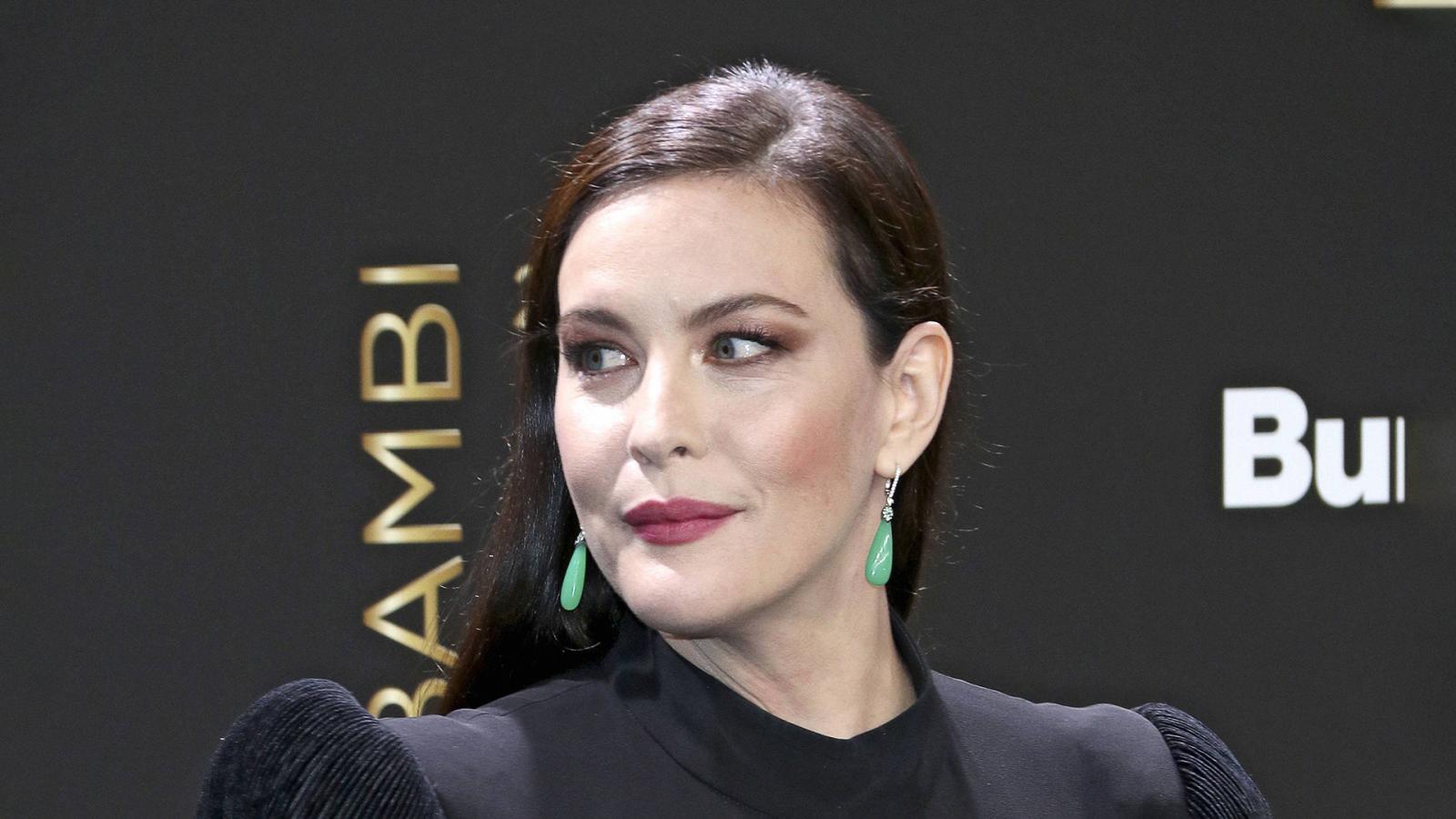
Even when celebrities report abuse, responses are slow. As actor Alan Tudyk put it: “They’ll take down a nipple faster than a death threat.”
The Industry’s Responsibility: Studios, Agents, and PR Teams
Hollywood isn’t just a victim of trolling—it’s a contributor.
Casting decisions still favor conventionally attractive leads. Publicists often push stars to undergo extreme diets or cosmetic procedures before major releases.
When Anne Hathaway gained weight for Ocean’s 8, her studio allegedly pressured her to lose it fast—while trolls mocked her in real time. The message? Even when you’re successful, you’re never safe.
What needs to change? - Studios must stop equating beauty with marketability. - PR teams should prioritize mental health over image control. - Contracts should include digital safety clauses—protection from doxxing, deepfakes, and coordinated harassment campaigns.
Until then, the industry profits from stars while outsourcing their emotional damage.
Moving Forward: Accountability, Empathy, and Change
The culture of appearance-based trolling won’t vanish overnight. But momentum is building.
More celebrities are speaking up. More fans are calling out hate. More platforms are (slowly) improving moderation.
But real change starts with empathy.
Next time you see a meme mocking a celebrity’s nose, weight, or aging skin, ask: - Would I say this to their face? - Am I part of the problem? - What if this were my sibling, my child?
Fame doesn’t erase humanity. Behind every “flaw” is a person who bleeds, cries, and fears—just like us.
The solution isn’t perfection. It’s compassion.
Celebrities don’t need to look a certain way to earn respect. And we don’t need to tear them down to feel better about ourselves.
The horror of Hollywood trolling isn’t just what it does to stars—it’s what it reveals about us.
FAQ
Why do celebrities get trolled more for their looks than other professions? Because their value in Hollywood is tied to image. Unlike doctors or engineers, actors are marketed as visual products, making their appearance public fodder.
Can celebrities legally stop trolls? Sometimes. They can pursue defamation, harassment, or copyright claims—especially with fake accounts or deepfakes. But enforcement is difficult across jurisdictions.
Do studios protect actors from online abuse? Rarely. Most leave it to PR teams or personal security. Few have formal digital protection policies, despite the risks.
Has appearance-based trolling led to any suicides in Hollywood? While not always directly linked, stars like Robin Williams and Brittany Murphy faced intense public scrutiny that exacerbated mental health struggles. The pressure contributes to broader crises.
Are younger celebrities more vulnerable to trolling? Yes. Child stars like Millie Bobby Brown or Noah Schnapp face early exposure to abuse, often without emotional or legal support systems in place.
How can fans support celebrities against trolling? By reporting abuse, avoiding harmful memes, and promoting positive narratives. Fan influence can shift culture when used responsibly.
Is there a double standard in how male and female celebrities are trolled? Absolutely. Women face more body-shaming, aging criticism, and slut-shaming. Men are more often attacked for perceived weakness or lack of masculinity—but the volume and viciousness are higher for women.
FAQ
What should you look for in Hollywood Trolling Horror: A-Listers Reveal Brutal Beauty Bullying? Focus on relevance, practical value, and how well the solution matches real user intent.
Is Hollywood Trolling Horror: A-Listers Reveal Brutal Beauty Bullying suitable for beginners? That depends on the workflow, but a clear step-by-step approach usually makes it easier to start.
How do you compare options around Hollywood Trolling Horror: A-Listers Reveal Brutal Beauty Bullying? Compare features, trust signals, limitations, pricing, and ease of implementation.
What mistakes should you avoid? Avoid generic choices, weak validation, and decisions based only on marketing claims.
What is the next best step? Shortlist the most relevant options, validate them quickly, and refine from real-world results.