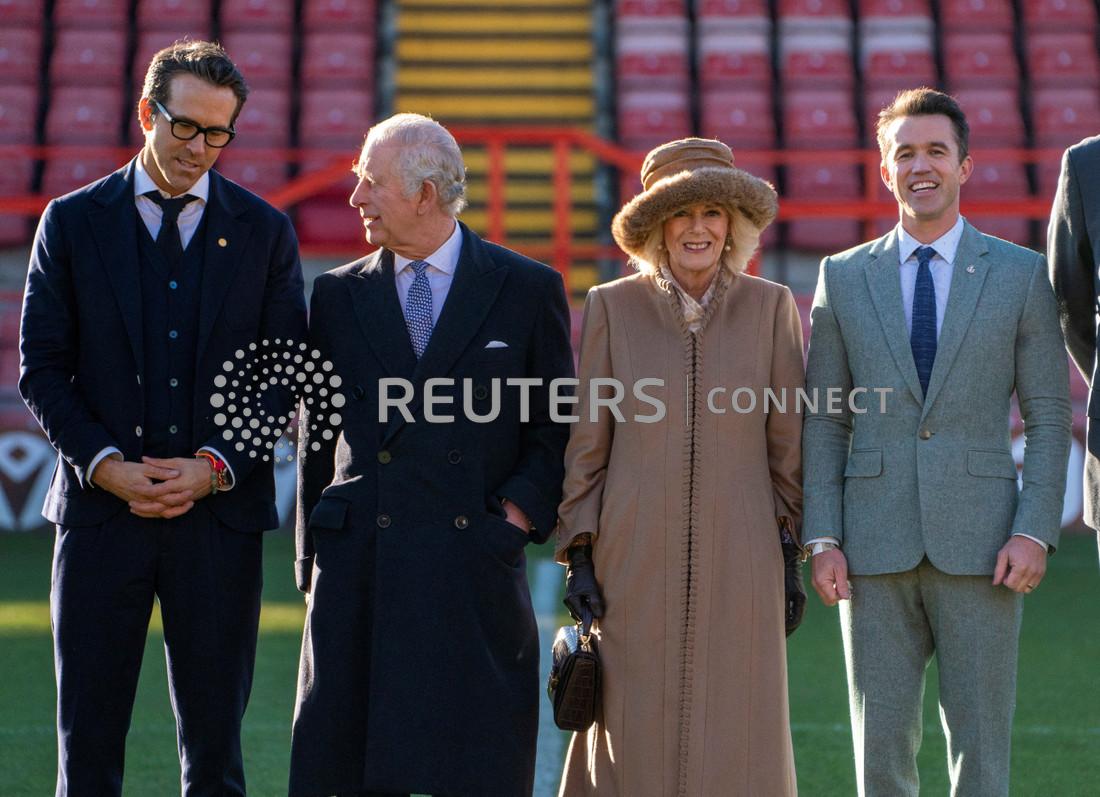
It’s finally sunny in Wrexham — not just in weather, but in spirit. For decades, this small post-industrial town in northeast Wales endured economic drift, shuttered factories, and fading optimism. But now, after years of grey skies and quiet streets, a new energy pulses through its brick-lined avenues. The unlikely catalyst? Two Hollywood actors with a shared dream, a struggling football club, and a global audience tuning in.
Wrexham AFC, once a footnote in the lower tiers of English football, has become a symbol of grassroots revival, drawing fans from Los Angeles to Tokyo. The town’s transformation isn’t just about football. It’s about identity, investment, and the power of storytelling in the digital age. And at the center of it all are Ryan Reynolds and Rob McElhenney.
From Obscurity to Global Spotlight
Wrexham AFC was founded in 1864, making it one of the oldest professional football clubs in the world. Yet by the 2010s, it had become synonymous with stagnation. Relegations, financial instability, and years without playoff success left fans disheartened. The Racecourse Ground, historic as it was, echoed with dwindling crowds.
The turning point came in 2020 when Reynolds and McElhenney — best known for Deadpool and It’s Always Sunny in Philadelphia — acquired the club for a reported £2 million. Their purchase wasn’t just a business move. It was a narrative gamble: could two outsiders, with zero football management experience, revitalize a forgotten team in a forgotten town?
The answer, four years later, is a resounding yes — but not just on the pitch.
The Power of Storytelling: “Welcome to Wrexham” as a Catalyst
In 2022, FX released Welcome to Wrexham, a documentary series chronicling the club’s journey under new ownership. The show wasn’t framed as a sports drama. It was a human story — about coal miners, teachers, bar owners, and lifelong fans whose lives intersect with the club.
Each episode peeled back layers of Wrexham’s history: the decline of its coal and steel industries, the brain drain of young talent, and the quiet pride that persisted through decades of hardship. The cameras didn’t flinch from the town’s challenges — rising food bank use, sparse investment, and geographic isolation.
But they also captured moments of joy: a child meeting Ryan Reynolds, a local brewery naming a beer after McElhenney, and fans singing in unison at the Racecourse Ground. The series struck a chord. It wasn’t just about football; it was about community revival.
Welcome to Wrexham has since won critical acclaim and drawn millions of viewers. Season three even covered the team’s historic FA Cup run against Premier League giants like Sheffield United. The exposure turned Wrexham into a destination — for tourists, investors, and dreamers.
On-Pitch Success: More Than Just Hype

While storytelling fueled interest, on-field results kept the momentum alive. After decades in the National League — England’s fifth tier — Wrexham secured promotion to League Two in 2023, followed by another promotion in 2024.
Key players like Paul Mullin, the club’s prolific striker, became household names. His goal celebrations — often directed at the Hollywood owners in the stands — blended sincerity with playful showmanship.
But behind the highlights, the club’s management made smart decisions: - Reinvesting matchday revenue into player recruitment - Hiring experienced coaches like Phil Parkinson - Modernizing youth development programs
The club also embraced data analytics, partnering with sports tech firms to improve training and injury prevention. This blend of heart and strategy proved potent.
Critics once doubted whether Wrexham could sustain success without Premier League money. But the club’s model — rooted in fan engagement, modest wage structures, and global branding — offers a blueprint for smaller teams worldwide.
Economic Ripple: The Hollywood Effect on a Welsh Town
The real story isn’t just about football. It’s about what happens when a town regains its narrative.
Since the takeover, Wrexham has seen: - A 40% increase in tourism, with visitors booking stadium tours and themed pub crawls - New businesses opening — from coffee shops to souvenir stores selling “Cymru till I die” T-shirts - Increased media attention, leading to BBC documentaries and features in The Guardian and ESPN
Local entrepreneurs have leveraged the spotlight. One bakery launched a “Red Dragon Roll” named after the club’s crest. A distillery created a limited-edition gin called “Racecourse Reserve.” Even the council has proposed a cultural quarter to capitalize on renewed interest.
Perhaps most importantly, young people are staying — or returning. University graduates who once left for Cardiff or Manchester now see opportunity at home. A town that once feared irrelevance now hosts international investors.
Still, challenges remain. Long-term economic development requires more than viral fame. Infrastructure, education, and housing must keep pace. And not everyone is convinced.
Skepticism and Pushback: Not Everyone’s Celebrating
Not all Wrexham residents welcome the Hollywood makeover. Some fans worry the club is losing its grassroots soul. Ticket prices, while still among the lowest in professional football, have risen slightly. Merchandise is now shipped globally — but local fans sometimes struggle to buy kits in their size.
Others see the attention as fleeting. “They’re here for the story,” one lifelong supporter told a BBC reporter. “But what happens when the cameras leave?”
There’s also tension over identity. Wrexham is Welsh, but plays in the English football pyramid — a historical anomaly. Some worry the club’s global branding downplays its Welsh roots. The owners have made efforts — using the Welsh language in marketing, supporting local language initiatives — but the balance remains delicate.
McElhenney and Reynolds have responded by emphasizing transparency. They’ve held town hall meetings, funded community projects, and pledged to keep decision-making local. Reynolds, in particular, has used his platform to highlight Welsh culture — once joking, “I’m not Canadian. I’m basically Welsh now.”
The Global Template: What Other Towns Can Learn
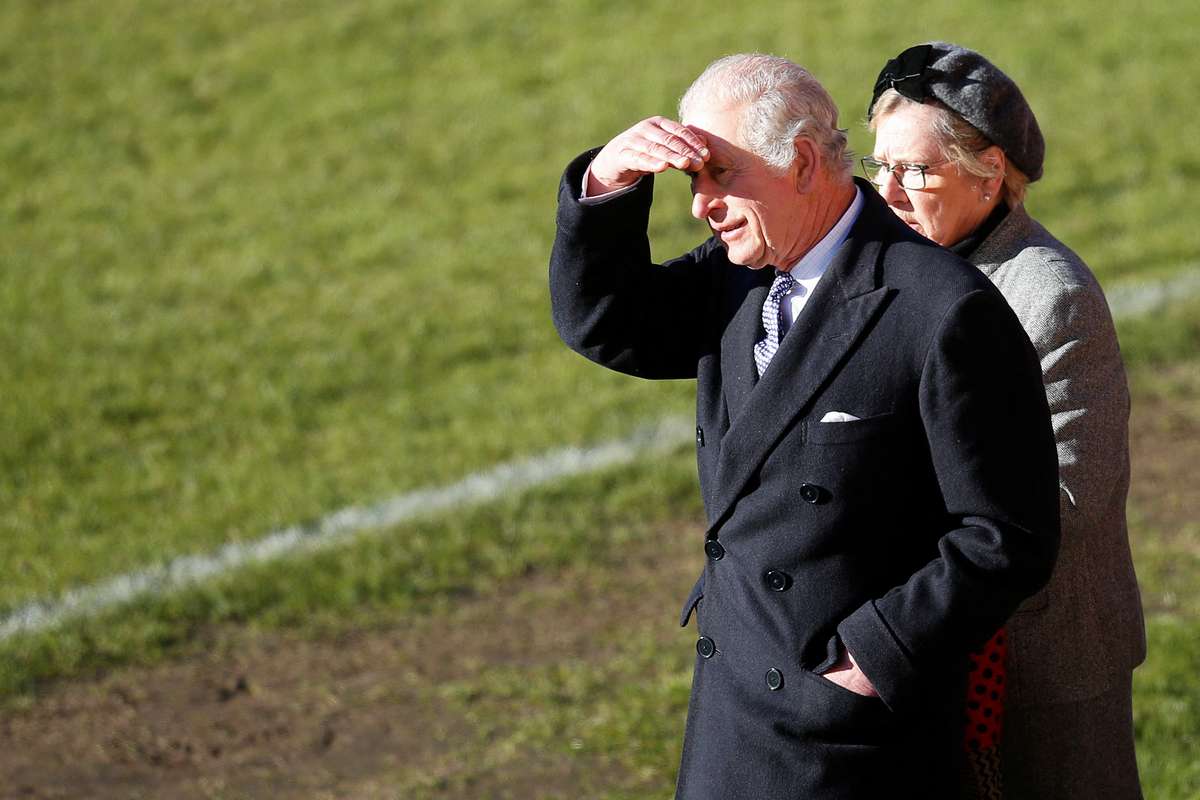
Wrexham’s revival isn’t just a feel-good story. It’s a case study in modern urban renewal.
Smaller towns facing decline — from Flint, Michigan to Barnsley, England — are watching closely. The Wrexham model suggests a few key principles:
1. Narrative First, Profit Second People connect with stories, not spreadsheets. By framing the club as a symbol of resilience, Reynolds and McElhenney built emotional investment before chasing wins.
2. Leverage Existing Assets Wrexham didn’t need to build a new stadium or attract a tech giant. It had history, passion, and a loyal fanbase — intangible assets often overlooked.
3. Think Global, Act Local The owners marketed Wrexham to the world but reinvested locally. Stadium upgrades, youth programs, and community grants kept the town at the center.
4. Authenticity Matters Fans spotted fake interest instantly. The owners succeeded because they showed up — regularly — and learned the game, the town, and the culture.
5. Sustainability Over Speed Unlike some celebrity ventures, the Wrexham project avoided quick cash grabs. No naming rights sellout. No luxury boxes displacing fans. Growth has been deliberate.
Can the Sunshine Last?
The phrase “it’s finally sunny in Wrexham” has become more than a weather observation. It’s a metaphor — for hope, for renewal, for a town stepping out of the shadows.
But weather changes. And so does fame.
The next few years will test whether Wrexham’s revival is durable. Can the club compete in higher leagues without breaking the bank? Can the town convert tourism into long-term jobs? Can Hollywood stay committed when the next project calls?
One thing is clear: Wrexham has proven that transformation doesn’t always start with government grants or corporate HQs. Sometimes, it starts with two actors watching lower-league football on a Tuesday night, asking, “What if we tried?”
They didn’t just buy a club. They reignited a town’s belief in itself.
FAQ
Why did Ryan Reynolds and Rob McElhenney choose Wrexham? They wanted a historic, community-driven club with a compelling story. Wrexham’s underdog status, global obscurity, and passionate fanbase made it ideal.
Has Wrexham AFC won any major trophies since the takeover? Not yet, but they earned back-to-back promotions from the National League to League Two, their highest finish in over a decade.
Are the Hollywood owners involved in day-to-day operations? No — they hired experienced football staff. But they’re deeply involved in branding, storytelling, and long-term strategy.
Has the town really changed since the takeover? Yes. Tourism, local business activity, and national attention have surged. The town center is revitalizing, and community morale has improved.
Do locals actually like the Hollywood involvement? Most do — especially younger residents and fans. But some worry about commercialization and losing local control.
Is Wrexham’s model replicable for other small towns? Elements are — storytelling, community focus, and strategic investment. But Wrexham’s unique history and timing played a big role.
What’s next for Wrexham AFC? Aim for League One promotion, expand the Racecourse Ground, and continue balancing growth with tradition.
FAQ
What should you look for in It’s Finally Sunny in Wrexham: Hollywood’s Touch Revives a Welsh Town? Focus on relevance, practical value, and how well the solution matches real user intent.
Is It’s Finally Sunny in Wrexham: Hollywood’s Touch Revives a Welsh Town suitable for beginners? That depends on the workflow, but a clear step-by-step approach usually makes it easier to start.
How do you compare options around
It’s Finally Sunny in Wrexham: Hollywood’s Touch Revives a Welsh Town? Compare features, trust signals, limitations, pricing, and ease of implementation.
What mistakes should you avoid? Avoid generic choices, weak validation, and decisions based only on marketing claims.
What is the next best step? Shortlist the most relevant options, validate them quickly, and refine from real-world results.