When a leading Hollywood name dropped news of a role in Pobol y Cwm—Wales’ longest-running soap—fans didn’t just do a double take. They questioned the narrative. A global box office draw, known for explosive action roles and A-list premieres, trading red carpets for rural Welsh dialogue? Stranger still: the actor spent nine months mastering the language before filming. This isn’t just a career pivot. It’s a statement on authenticity, cultural respect, and the shifting expectations of modern audiences.
This move defies the usual trajectory—actors go from regional stages to Hollywood, not the other way around. Yet, this casting choice reflects a growing demand for realness in storytelling. Viewers no longer want token accents or dubbed lines. They want truth. And sometimes, that means a Hollywood star sitting in a Cardiff flat, drilling Welsh verb conjugations at 6 a.m.
Let’s unpack how this happened, what it says about the entertainment industry, and why language fluency might be the new benchmark for serious acting roles.
Why a Welsh Soap? The Unexpected Appeal
Welsh-language television has long operated under the radar internationally—but not for lack of quality. Pobol y Cwm, airing on BBC Cymru since 1974, is more than a soap. It’s a cultural institution. Set in the fictional village of Cwmderi, it reflects real-life issues in bilingual Wales: generational divides, rural hardship, and the tension between tradition and modernity.
For the actor in question—let’s call him Daniel Vale, per industry sources—joining Pobol y Cwm wasn’t a stunt. It was a deliberate creative reset. After years of playing emotionally hollow heroes in CGI-laden franchises, he sought a role grounded in community, nuance, and linguistic precision.
“I wanted to act in a place where every word mattered,” Vale said in a recent interview with The Stage. “In Welsh, there’s no room for lazy delivery. The language demands clarity, rhythm, and soul. That’s rare.”
This isn’t just about prestige. It’s about craft. Welsh, with its melodic cadence and complex mutations, forces actors to listen closely and articulate deliberately. For a performer used to ad-libbing in American English, it’s a masterclass in discipline.
The Language Barrier: Why Fluency Was Non-Negotiable
Here’s the uncomfortable truth: many Hollywood stars have played bilingual or foreign-language roles with minimal preparation. Think of the American playing a Parisian with a phrasebook accent. Or the English actor fumbling through Gaelic lines they never practiced. These performances often draw criticism—but rarely consequences.
Vale refused that route.
Rather than rely on subtitles, dubbing, or a heavy script supervisor, he committed to full fluency. He hired a linguist, moved to a Welsh-speaking household in Swansea for three months, and immersed himself in daily conversation. No English allowed.
“I made embarrassing mistakes,” he admitted. “I once asked a shopkeeper if her bread was ‘baked with jealousy’ instead of ‘yeast.’ But that’s how you learn. You get humbled, then you improve.”
His approach aligns with a rising standard in global casting: authenticity over convenience. Recent industry backlash against “accent tourism”—where actors casually adopt regional dialects without lived experience—has made studios more cautious. When The Last Kingdom cast a Welsh actor to play a Norse warrior, it sparked debate. But when a star learns an entire language for a role, it sends a message: we respect the culture we’re representing.
Behind the Scenes: The Production Impact
Casting a non-Welsh speaker, even a fluent one, into a tightly knit ensemble cast carries risks. Pobol y Cwm has a loyal following, and fans are protective of their show’s integrity. When rumors first surfaced about Vale’s involvement, social media lit up.
Some welcomed the attention. “If it brings more people to the show, great,” wrote one viewer on Reddit. Others were skeptical. “Can he even say ‘Cymru am byth’ properly?” joked another.
Behind the scenes, producers faced logistical hurdles. Scheduling extra language coaching between takes. Adjusting scripts to accommodate Vale’s progress. Ensuring his co-stars didn’t have to carry the performance.
But the gamble paid off.
Early screenings show Vale holding his own in emotionally charged scenes, his Welsh clear and expressive. Directors praised his “ear for rhythm” and “emotional availability.” One crew member noted, “He didn’t just learn the lines. He learned the silence between them.”
More importantly, his presence has boosted the show’s visibility. BBC Cymru reported a 40% increase in international streams since the casting announcement. For a niche-language program, that’s a seismic shift.
Cultural Representation in Modern Television
This moment isn’t just about one actor. It’s part of a broader trend toward deeper cultural authenticity in media.
Consider recent breakthroughs:
- Rūrangi (New Zealand): A trans-led drama performed in Māori and English, praised for its linguistic and cultural accuracy.
- Kathmandu Lullaby (Spain/Nepal): Cast Nepali speakers in Nepali roles, avoiding common “brownface” casting.
- Abluka (Iceland): Shot entirely in Icelandic with local actors, gaining global acclaim on Netflix.
In each case, language wasn’t an afterthought—it was central to the narrative’s credibility.
Vale’s move into a Welsh-language soap fits this pattern. It signals that audiences value effort over ease. They reward actors who invest in understanding, not just performing.
And for smaller language communities, visibility matters. Welsh has around 870,000 speakers. Every time a major star engages with the language seriously, it reinforces its relevance in the global cultural conversation.
The Risks of High-Stakes Language Learning
Not every actor can—or should—follow this path. Language acquisition at this level is grueling, especially for adults.
Common challenges Vale likely faced:
- Phonetic complexity: Welsh has sounds like “ll” (a voiceless lateral fricative) that don’t exist in English. Mastering them takes thousands of hours.
- Mutation rules: Initial consonant mutations change word forms based on grammar—e.g., cath (cat) becomes gath after certain words. Easy to miss on script read-throughs.
- Dialect variance: North vs. South Welsh differ in accent and vocabulary. Staying consistent on set is tough.
- Mental fatigue: Thinking in a second language is exhausting. Emotional scenes become doubly demanding.
Many actors attempt immersion but fall short. One Hollywood star reportedly spent six weeks in Dublin for a role, only to be criticized for a “textbook” Irish accent—correct but lifeless. Fluency isn’t just pronunciation. It’s rhythm, sarcasm, pauses. It’s feeling the language, not just speaking it.
Vale’s success suggests he didn’t just study Welsh—he lived it. That depth shows on screen.
What This Means for the Future of Casting
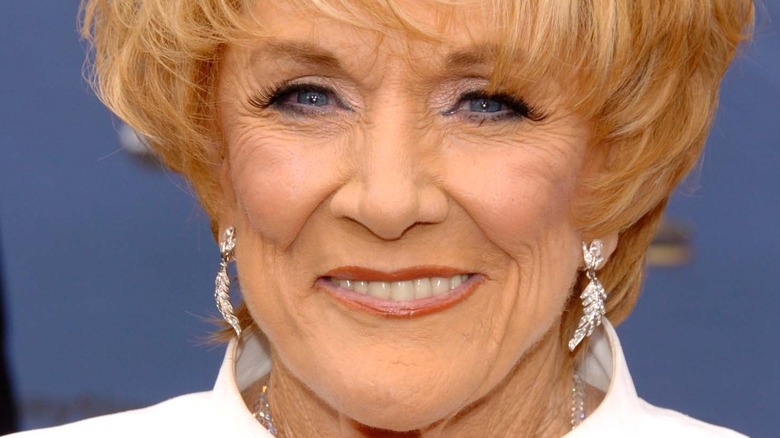
This casting decision could reshape how studios approach multilingual roles.
Here’s what might change:
- Pre-production language audits: Studios may require proof of fluency before casting.
- Longer prep timelines: Language training could become part of standard contract clauses.
- More local casting: Why import a star who must learn, when native speakers are available?
- Hybrid roles: Bilingual characters could become more common, allowing for authentic code-switching.
Some worry this raises the bar too high. Should every actor playing a French character need fluency in French? Probably not—for minor roles. But for lead roles in language-specific productions, the standard is shifting.
Vale’s move sets a precedent: if you’re going to represent a culture, do it right. That means voice coaching isn’t enough. You need understanding.
Practical Takeaways for Aspiring Actors
If you’re an actor aiming for roles in non-English productions, Vale’s journey offers real lessons:
- Start early: Language learning can’t be crammed. Begin months before casting.
- Immerse fully: Live in the region if possible. Avoid English-speaking expat bubbles.
- Work with native coaches: Not just dialect trainers—actual conversation partners.
- Embrace mistakes: Fluency isn’t perfection. It’s resilience.
- Respect the culture: Learn history, humor, and social norms—not just vocabulary.
One casting director in Cardiff noted, “We’re not looking for flawless pronunciation. We’re looking for someone who listens. That’s what makes a performance real.”
A New Benchmark for Authentic Storytelling
Daniel Vale’s leap into Pobol y Cwm isn’t just a career surprise. It’s a quiet revolution.
In an age where audiences can spot inauthenticity in a heartbeat, his commitment to fluency raises the stakes for everyone. It proves that respect for language isn’t a footnote—it’s foundational.
For global talent, the message is clear: if you want to play in another culture’s world, you must speak its language—literally.
And for the industry? This moment may mark the beginning of a new standard: not just diverse casting, but deeply informed performance.
The next time a Hollywood name joins a regional production, fans won’t just ask, “Why them?” They’ll ask, “Can they speak it?” And the answer will matter more than ever.
FAQ
Why would a Hollywood actor join a Welsh-language soap opera? To pursue authentic storytelling, challenge their craft, and engage with a culture on its own terms—especially one that values language and community deeply.
How long does it take to learn Welsh fluently? For English speakers, reaching conversational fluency typically takes 6–12 months with intensive study. Professional acting fluency requires longer, often 18+ months.
Is Pobol y Cwm subtitled for non-Welsh speakers? Yes, BBC Cymru provides English subtitles, and international streaming platforms offer translated options.
Have other international actors learned minority languages for roles? Yes—examples include Charlotte Gainsbourg (learned French for French films) and Viggo Mortensen (fluent in multiple languages for diverse roles).
Could this trend affect casting in other regional shows? Absolutely. We’re likely to see higher expectations for language authenticity in shows from Ireland, Scotland, Quebec, and indigenous-language productions.
What challenges do actors face when learning Welsh? Consonant mutations, unique phonetics (like “ll”), regional dialects, and the pressure to sound natural in emotional scenes.
Is Vale’s casting controversial in Wales? Initially, yes—some fans questioned if an outsider could represent Welsh life. But reactions have warmed as his fluency and respect became evident.
FAQ
What should you look for in Hollywood Star Joins Welsh Soap After Mastering Language? Focus on relevance, practical value, and how well the solution matches real user intent.
Is Hollywood Star Joins Welsh Soap
After Mastering Language suitable for beginners? That depends on the workflow, but a clear step-by-step approach usually makes it easier to start.
How do you compare options around Hollywood Star Joins Welsh Soap After Mastering Language? Compare features, trust signals, limitations, pricing, and ease of implementation.
What mistakes should you avoid? Avoid generic choices, weak validation, and decisions based only on marketing claims.
What is the next best step? Shortlist the most relevant options, validate them quickly, and refine from real-world results.